
Fayetteville Federal Cyber Crime Lawyer
Experienced Federal Cyber Crime Attorney in Fayetteville, NC
Cybercrime investigations can stem from activities that involve the use of computers, online accounts, financial transactions, or electronic communications. In some cases, they may also attract the attention of federal law enforcement and investigative resources. A skilled Fayetteville federal cybercrime lawyer can represent you when you are the subject of an investigation or prosecution, and can help you respond to the government’s accusations.
When digital evidence and federal criminal law intersect, the details can get complicated quickly. W. James Payne Law Firm helps our clients understand what they are facing and how to move forward.
Hire a Federal Cybercrime Lawyer
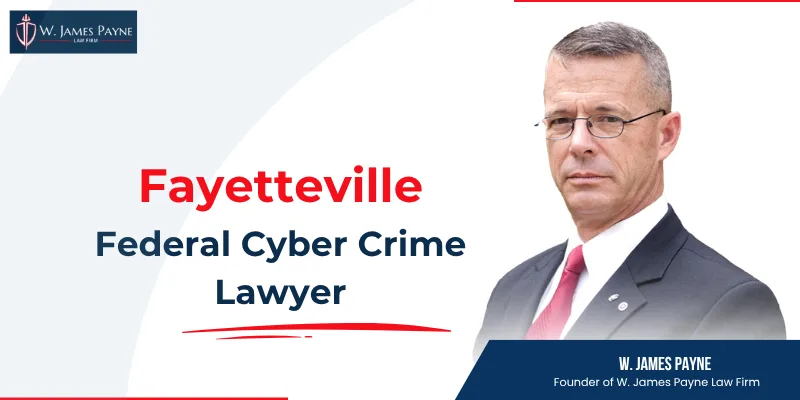
W. James Payne is an attorney with over 40 years of legal experience. Admitted to the Florida Bar in 1984, he is a veteran of both the civilian justice system and the military. Payne is a retired Colonel in the United States Marine Corps Reserve and served as a military judge for five years.
In federal criminal cases at W. James Payne Law Firm, we represent our clients with humility and dogged advocacy. By preparing diligently, we gain a thorough understanding of the government’s case and uncover the most suitable legal avenues available.
Federal Laws Used to Prosecute Cybercrimes
The Computer Fraud and Abuse Act is one of the federal statutes that govern computer crimes. Prohibited activities under 18 U.S.C. § 1030 include:
- Certain acts involving unauthorized access to computers
- Exceeding authorized access
- Obtaining specified protected information
- Computer fraud
- Damage to protected computers
- Extortion involving computers
Not all offensive or improper use of technology is a federal crime. The specific subsection of the statute at issue, the defendant’s purported intent, the information or computer targeted, and the alleged events can all impact the nature and severity of a federal cybercrime case.
How Federal Cybercrime Investigations Begin
An individual may become aware of a federal cybercrime investigation prior to the filing of any criminal charge. Investigators may use search warrants and other legal processes to obtain evidence of potential cybercrimes. Computers, phones, account records, electronic communications, and records maintained by service providers may be obtained by investigators.
The Federal Bureau of Investigation’s Internet Crime Complaint Center received 859,532 complaints of suspected internet crime in 2024. Federal agencies may investigate these and other suspected cybercrimes, so it is important to contact an attorney if investigators contact an individual or have their electronic devices seized.
Types of Federal Cybercrime Charges
Federal cyber investigations can involve identity-related offenses under 18 U.S.C. § 1028, aggravated identity theft under § 1028A, and access-device fraud under § 1029. Some schemes that involve electronic communications can also lead to wire fraud allegations under 18 U.S.C. § 1343.
The facts of a case determine which statutes can be applied. A single investigation can involve a number of different alleged offenses. It can be important to know exactly what conduct is being addressed by each count when analyzing the strength of the government’s case and the consequences of a federal prosecution.
Challenging Digital Evidence in a Federal Cybercrime Case
Digital records can provide important information, but tying those records to an individual defendant can be a major issue in a cybercrime prosecution. The fact that an IP address, online account, computer, or phone was connected to a defendant may not answer all of the questions about who was responsible for a specific action.
Shared devices, compromised accounts, remote access, and other issues may call for closer scrutiny. A defense attorney can also assess how investigators collected electronic evidence and whether any constitutional or statutory requirements were met. A review of attribution, account access, forensic results, and the government’s investigative tactics for obtaining evidence may help identify issues that are relevant to the defense.
FAQs
Can Federal Cybercrime Charges Result From Conduct That Occurred Entirely Online?
Federal cybercrime charges may result from conduct performed entirely through computers or online services when the activity falls within federal jurisdiction. Federal laws may apply based on the systems involved, alleged conduct, or use of interstate communications.
Determining whether online activity supports federal charges requires examining the facts, applicable statute, and jurisdictional requirements. The location of the parties, systems involved, communications used, and specific conduct alleged may all become relevant to determining whether a federal statute applies.
How Frequently Are Suspected Internet Crimes Reported to the FBI?
Suspected internet crimes are reported to the FBI quite frequently. Federal authorities receive hundreds of thousands of reports of suspected internet crime each year. However, a submitted complaint doesn’t confirm a crime occurred or lead to charges being filed.
In 2025, the FBI’s Internet Crime Complaint Center received 1,008,597 complaints, a 17.4 percent increase from the 859,532 received in 2024. These reports include a wide variety of suspected internet crimes.
Where Would a Federal Cybercrime Case From Fayetteville Be Prosecuted?
A federal cybercrime case from Fayetteville may be filed in the United States District Court for the Eastern District of North Carolina, provided the court has jurisdiction. Cumberland County is within the Eastern District of North Carolina, which holds court in Fayetteville and other locations throughout the district.
A federal cybercrime attorney in Fayetteville could represent a defendant as a case moves through the applicable stages of the federal criminal justice system.
How Much Money Is Reportedly Lost to Internet Crime?
Reported loss of money from internet crime is significant, although a complaint does not necessarily mean that a crime has occurred. The FBI’s Internet Crime Complaint Center reported more than $16 billion in losses associated with complaints received in 2024.
The amount is based on many different types of suspected internet crime across the country, not just federal cyber prosecutions. Individual cybercrime cases can involve very different allegations, financial losses, and possible federal charges.
Contact a Fayetteville Federal Cybercrime Lawyer
Federal cybercrime charges may have severe penalties and rest on complex evidence. The W. James Payne Law Firm defends people facing federal investigations and criminal charges in Fayetteville and the nearby area. Schedule a consultation today to hire a federal cybercrime lawyer.
Fayetteville, NC Federal Cybercrime Resources:
Request A Consultation
Fields Marked With An “ * ” Are Required
"*" indicates required fields


4434 Main Street
Shallotte, NC 28470
(910) 754-9411
1213 Culbreth Drive
Wilmington, NC 28405
(910) 754-9411
476 Joe Tweed Road
Marshall, NC 28753
(910) 754-9411
© 2026, W.James Payne Law Firm • All Rights Reserved •
Digital Marketing By 
*Images are obtained under license from Canva and other third-party stock image providers, with attribution included where required.